
Advanced Process Engineering Development
Refinement of Process Flow Diagrams (PFDs) and complete development of Piping and Instrumentation Diagrams (P&IDs), defining equipment, piping systems, instrumentation and control logic.
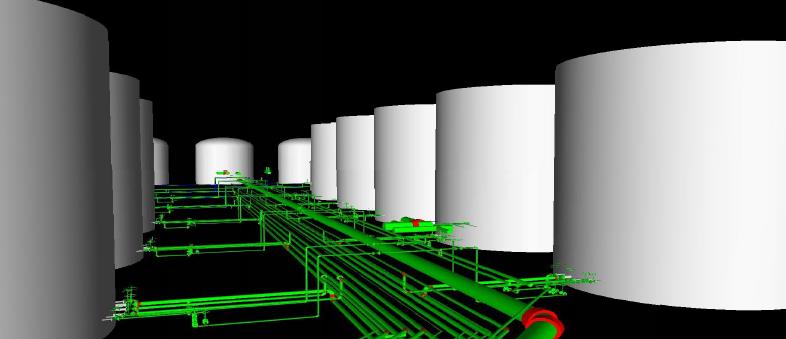

FEED (Front-End Engineering Design) is an advanced engineering phase that develops the project's technical design with a high level of definition, enabling cost optimization, risk reduction and effective project execution through detailed engineering, procurement and construction planning.
FEED Engineering, typically integrated within FEL (Front-End Loading) methodologies, represents a critical phase in industrial project development, where the project reaches a level of definition sufficient to validate its technical, economic and construction feasibility. During this stage, decisions made during previous engineering phases are consolidated and optimized, resulting in an advanced design that prepares the project for execution with a high degree of confidence and reliability. The FEED approach enables progressive project maturation, reducing uncertainties before major investment decisions are made and ensuring that critical business decisions are supported by robust technical and economic data.
Advanced Process Engineering Development
Refinement of Process Flow Diagrams (PFDs) and complete development of Piping and Instrumentation Diagrams (P&IDs), defining equipment, piping systems, instrumentation and control logic.
Equipment and System Definition and Specification
Development of detailed datasheets and technical specifications for major equipment and auxiliary systems, considering operating conditions, applicable standards and client requirements.
Procurement Planning and Supply Strategy
Definition of the procurement strategy, identification of critical equipment and planning of long-lead item purchases to avoid delays during project execution.
Constructability and Risk Assessment
Technical evaluation of the design from a construction perspective, identifying potential risks and establishing mitigation measures before execution begins.
Detailed Capital Cost Estimation (CAPEX)
Preparation of a high-accuracy investment estimate (typically within ±10% to ±30%), based on technical specifications, market pricing and project requirements.
Overall Project Planning
Development of the integrated project schedule covering engineering, procurement, construction and commissioning activities, including milestones, execution sequences and completion targets.
A comprehensive package of technical, commercial and planning documentation that enables tendering processes, procurement activities and project execution with a high level of control and reliability.
Comprehensive engineering documentation fully defining process operation, including equipment, piping systems, instrumentation and control systems.
Detailed documents describing the technical characteristics, operating conditions and performance requirements of equipment and systems.
Structured list of equipment and materials required for the project, supporting procurement planning and cost estimation.
Detailed investment estimate with a high degree of accuracy, suitable for investment approvals and contracting decisions.
Detailed project schedule defining execution phases, milestones and activity sequences.
Definition of procurement approaches, contracting packages and prioritization of critical supplies.
Documentation identifying project risks and validating the constructability and execution feasibility of the proposed design.

Phase 03
Enables high-confidence project execution by reducing risks, optimizing costs and ensuring schedule reliability before construction begins.
FEED Engineering is typically performed after Basic Engineering, when a sufficient level of project definition is required to launch tenders, validate investment decisions, procure critical equipment and ensure controlled project execution.
Contact our team to assess the initial feasibility of your project.


