
Multidisciplinary Engineering Coordination
Integration of all engineering disciplines within a shared environment, ensuring consistency between systems and eliminating design conflicts.
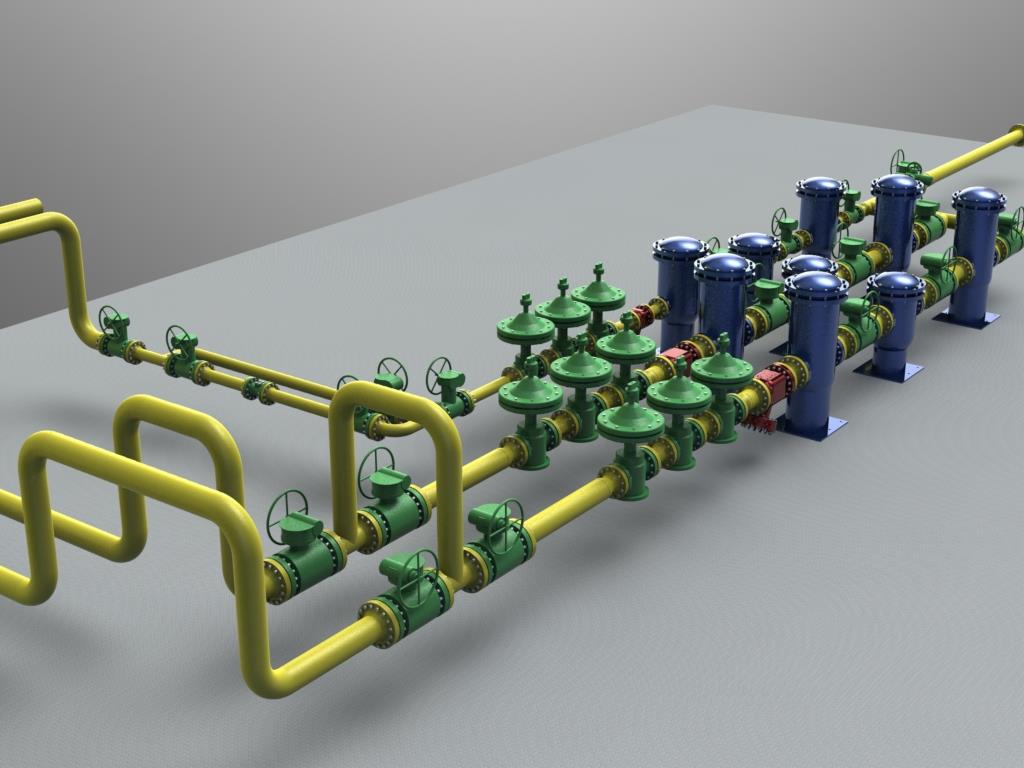
A service focused on the technical integration of all disciplines and technologies within an industrial project through advanced methodologies such as BIM (Building Information Modeling), ensuring coordination, consistency and efficiency throughout the entire asset lifecycle.
Integration Engineering enables the efficient coordination of all disciplines involved in an industrial project, ensuring that different systems, equipment and technologies—regardless of their origin or supplier—operate seamlessly and in full alignment. At EIA21, this approach integrates process, mechanical, piping, civil, structural, electrical, instrumentation, control and utility systems, providing a comprehensive and coordinated view of the project. In addition, third-party technologies and package units are incorporated into the overall project design, ensuring their proper integration in terms of electrical supply, control systems, process connections, structural support and utility requirements. The application of BIM methodologies enables this integration within collaborative digital environments, improving coordination, design quality and risk mitigation throughout all project phases.
Multidisciplinary Engineering Coordination
Integration of all engineering disciplines within a shared environment, ensuring consistency between systems and eliminating design conflicts.
Package Unit and Equipment Integration
Integration of third-party technologies and package units, defining interconnections, operating requirements, support systems and utility needs.
Digital Modeling and BIM Integration
Development of intelligent 3D models that allow visualization, analysis and coordination of all project elements within a common digital environment.
Clash Detection
Early identification of conflicts between different engineering disciplines, enabling resolution before the construction phase begins.
Project Information Management (CDE)
Structured organization of project information within collaborative environments, ensuring traceability, control and centralized access to technical data.
Construction and Operations Support (Digital Twin)
Use of the digital model to facilitate construction, commissioning, operation and long-term asset management throughout the facility lifecycle.
A complete set of models, tools and documentation enabling project information to be integrated, coordinated and managed in a structured, collaborative manner aligned with international standards.
Comprehensive digital model incorporating all disciplines, including geometry, technical information and system relationships.
Development of coordinated 3D models for process, piping, civil, structural, electrical and instrumentation disciplines within a common environment.
Technical documentation identifying clashes and defining corrective solutions before construction starts.
Centralized digital platform for managing models, project documentation and workflow processes.
Structured integration of technical information such as equipment, materials and specifications linked directly to the BIM model.
Adaptation of the BIM model to support maintenance, operations and future modifications throughout the asset lifecycle.
Information structures, naming conventions, workflows and deliverables aligned with the ISO 19650 international standard, for which EIA21 has been certified since 2026.

Phase 05
We apply BIM methodologies certified in accordance with ISO 19650, ensuring structured, traceable and collaborative information management throughout the entire project lifecycle.
This service is particularly applicable to industrial projects involving multiple disciplines, suppliers, technologies or engineering contractors, where efficient information management is critical to project success.
Contact our team to assess the initial feasibility of your project.


