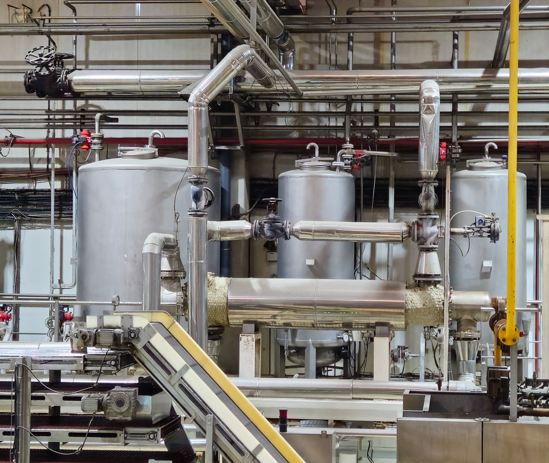
The Challenge
To analyze and optimize the performance of the plant’s thermal oil circuit by identifying the root causes of inefficient operation and assessing its ability to accommodate future increases in thermal demand.
The main challenge was to diagnose the hydraulic and thermal behavior of an existing operating system, identify limitations in heat distribution, and develop solutions to improve both energy efficiency and operational flexibility.
The Solution
EIA21 carried out a comprehensive engineering study using advanced process simulation tools (Aspen HYSYS) to evaluate both the existing system configuration and future expansion scenarios.
The scope of work included:
- Thermal and hydraulic performance assessment of the thermal oil circuit
- Identification of inefficiencies in heat distribution
- Update of Process Flow Diagrams (PFDs) and Piping & Instrumentation Diagrams (P&IDs)
- Plant surveying and as-built documentation development
- Definition of engineering solutions aimed at system optimization
The proposed solutions focused on improving hydraulic balancing throughout the circuit and ensuring the efficient integration of new heat consumers into the network.
Results
The project enabled the definition of technical solutions that improved the overall performance of the thermal oil system while preparing the facility for future expansion.
Key project outcomes included:
- Improved hydraulic balance throughout the thermal oil network
- Optimized heat distribution across the facility
- Efficient design of new connections from main distribution headers
- Elimination of non-optimal direct tie-ins to the existing network
- Increased energy efficiency and operational flexibility
These improvements provided a more reliable and scalable thermal distribution system, supporting the client’s decarbonization and energy efficiency objectives.


